The dopamine trap of Valentine’s Day (and how to avoid the crash)

Valentine’s Day is basically a full-scale marketing festival built around anticipation. Not the love part. The lead-up part.
The build-up is loud, shiny, and everywhere. And your brain is very good at getting hooked by the cues.
Roses are red, dopamine is… unpredictable.

Here’s the science bit, without the wellness glitter.
Dopamine is not a “pleasure button”
Dopamine gets talked about like it is the brain’s pleasure button. It is not. It is more like a pursuit-and-learning system. It helps you notice cues, get motivated, and chase what seems valuable. In other words, it is heavily involved in wanting.
Wanting is not the same as enjoying.
That difference matters on Valentine’s Day because the holiday is basically a cue buffet. You get primed for days. Restaurants post the set menu. Brands do the “limited time only” thing. Social media serves you engagement photos and surprise gifts like it is a public service. Even if you are trying not to care, your brain is still clocking the signals.
Add humidity, booked-out restaurants, traffic, and a million Instagram reminders, and your brain is swimming in cues.
The cue effect: incentive salience
Cues do something sneaky. They make the thing feel important before it even happens. That is incentive salience, your brain tagging something as extra important before it happens. It is one reason you can feel a surge of motivation and longing, then feel oddly flat when the moment arrives.
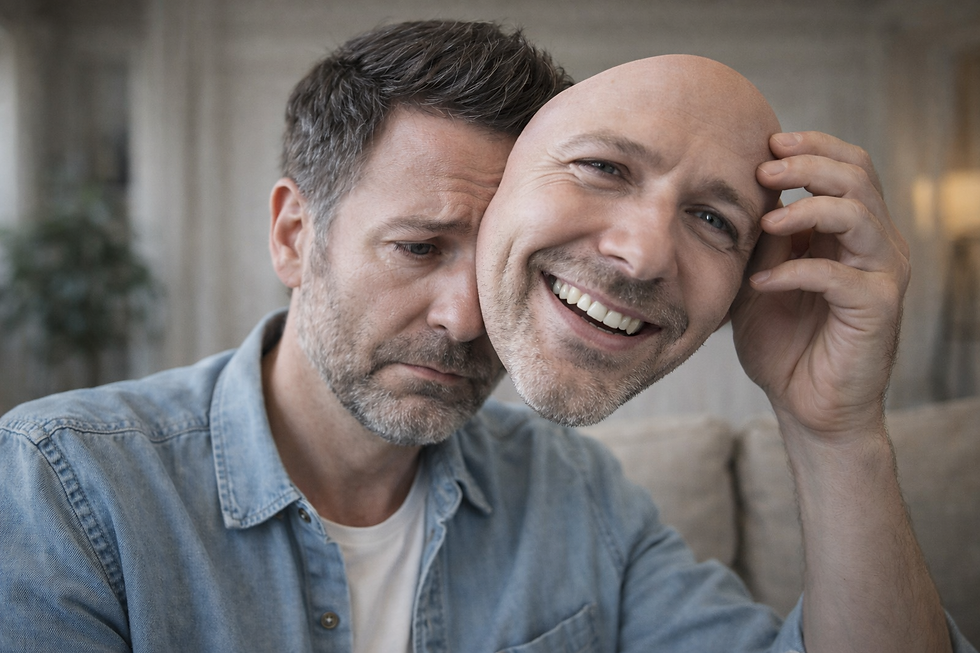
Your brain is responding normally to a very engineered day.
Why the day can feel underwhelming (even when it is fine)
A second ingredient is prediction. Your brain does not just experience events, it forecasts them. It tries to work out what is about to happen and how it will feel. Dopamine is strongly linked to learning signals that track the gap between expectation and reality, often called prediction errors.
Valentine’s Day inflates expectations in very predictable ways:
This should feel special
This should go smoothly
This should mean something
This should prove we’re OK
Then real life turns up. Someone is tired. Someone is stressed. The restaurant is loud. The booking is late. One person wants romance, the other wants a shower and silence. The reaction makes sense once you look at the cues and the build-up.
And because it was framed as meaningful, small mismatches can feel bigger than they normally would.
There is also novelty in the mix. New experiences can lift reward response, which is why a special night can feel exciting. But novelty burns fast. The brain adapts. It is not a problem to fix; it is how nervous systems work. If the evening is designed as one big spike, it is common to feel a dip afterwards. Not sadness. More like a “is that it?” feeling.
That is the comedown people mistake for a problem.
How to do Valentine’s Day without the crash
This is where I will be blunt. Most Valentine’s advice is either cheesy or wildly unrealistic. You do not need to “manifest romance”. You need to work with how brains actually respond to cues, expectations, and fatigue.
Start here: aim for what you will enjoy, not what you think you should want.
Because wanting is easily manipulated. It responds to spectacle. Enjoying is often simple. It tends to involve comfort, presence, and feeling at ease.
If you’re partnered
Treat the day like connection, not a test.
A lot of couples walk into Valentine’s Day with unspoken scoring. Who made effort, who planned, who remembered, who “gets it”. The brain then starts scanning for proof that you matter. That scanning kills the thing you are trying to create.
Instead, do one tiny, awkwardly practical thing before the night starts: name the tone.
One sentence each. No speeches.
“I want low pressure tonight.”
“I want us to laugh.”
“I want to feel close.”
That single move lowers the prediction pressure. It also reduces the chances of two people silently running completely different scripts.
Then choose a plan that matches the state you are both actually in. Not the state you wish you were in. If you have had a big week, do not book a three-hour tasting menu and pretend you will be charming the whole time. Pick something with room to breathe. The nervous system likes space.
Finally, remember that repair beats theatre. A fancy dinner does not teach safety. Patterns teach safety. The strongest Valentine’s gesture is often small and unsexy: owning a recent misstep, saying sorry properly, or doing the thing your partner has asked for twelve times without turning it into a debate.
If you’re single, dating, or somewhere in between
The dopamine trap hits singles too, just differently. The cue is not “the perfect night”, it is comparison. It is the story that everyone else is being chosen, and you are not.
Your brain treats social exclusion as a threat signal.
So if you are dating someone new, lower the stakes on purpose. Choose settings where you can actually talk, not environments that require you to perform. If the whole point is connection, pick something that allows connection. Loud bars and high-pressure venues are not romance, they are sensory overload with a price tag.
If you are single and not dating, do not let the day decide the narrative. Plan something you genuinely like. Not a generic “self care night”. Something specific and enjoyable. Dinner with friends. A movie you have wanted to see. A walk somewhere that settles you. It is not about making a point. It is about not outsourcing your mood to a calendar.
For everyone
Watch the cue overload.
If you spend the day soaking in other people’s highlight reels, your brain will compare your real life to a fantasy composite. That is how you end up judging a perfectly decent night as “not enough”.
Also, build continuity. If the night is a spike, give the next day a softer landing. Coffee together. A walk. A simple plan within the next couple of days. The nervous system responds to what repeats, not what happens once.
The bottom line
Valentine’s Day can be lovely. It can also be a highly manufactured cue environment that inflates wanting and expectations, then leaves people confused when reality feels more ordinary than advertised.
The fix is not more pressure. It is less theatre.
Plan for enjoyment, not optics. Say the quiet part out loud. Choose low-stakes closeness over high-stakes performance. And if the next day feels a bit flat, do not panic. Sometimes it is not your relationship. It is just your brain coming down from a very well-marketed build-up.


Comments